Plan a wedding that feels like you—and feels welcoming to everyone you invite. Thoughtful words, comfortable spaces and a calm day belong together.
Weddings by Georgia is an independent wedding planning journal for couples who care about the experience as much as the photographs. Here you will find practical ideas for invitations, ceremonies, tables, guest arrival and the rhythm of the day. Our focus is a celebration with personality and clear decisions behind it, whether you are gathering in a garden, a dining room or a dedicated wedding venue.
You do not need to decide every detail at once. Start with the people, the place and the feeling you want to create. Then work outward. A useful plan connects the welcome on the invitation with the route to the venue, the promises in the ceremony and the conversations around the table. When those parts fit together, the wedding begins to feel like one occasion rather than a collection of purchases.
Begin with three decisions that make the rest easier
Before collecting more inspiration, agree on your approximate guest count, a comfortable spending limit and three priorities. Your priorities might be a meaningful ceremony, a generous meal and enough time with friends. Another couple may care most about music, family traditions and a setting outdoors. Write the priorities in plain language. They become a reference when a beautiful idea competes with something that matters more to you.
Keep the first guest list realistic. Include partners, children where invited and the people whose presence shapes your venue choice. A room cannot be judged from its advertised capacity alone; you need to know how it works with dining, service, music and accessible circulation. Ask to see a layout for your proposed numbers. A venue that technically fits everyone may not support the kind of evening you want.
For spending, make a working list of actual commitments and costs still to confirm. Separate essentials from optional styling. Ask suppliers what their quotes include, when payments are due and which changes can affect the final amount. Leave some room for needs that become clearer later. A plan is more useful when it reflects what you can comfortably choose than when it tries to imitate somebody else’s celebration.
Build a celebration around people, not a mood board
Images help you communicate taste, but they rarely show the whole event. You cannot tell from a table photograph whether guests could hear one another, whether dinner arrived promptly or how far the bathroom was. Use visual inspiration to identify a feeling, then translate it into practical choices. “Relaxed and sociable” might mean a shorter portrait list and more time at dinner, not simply loose flowers and linen napkins.
Think about the people coming. Will guests be traveling a long way? Does anyone need a quieter space, a step-free route or help understanding the schedule? Are there languages or family traditions you want to acknowledge? Ask considerate questions privately and early. Good hospitality comes from useful information and workable arrangements, not assumptions about what someone of a particular age or background might need.
Choose traditions deliberately. You can keep a formal processional and skip a bouquet toss, exchange private letters and use simple public vows, or have a seated dinner without an announced entrance. Discuss what each choice means to you before explaining it to others. When you understand your own reasons, it is easier to respond kindly to suggestions without reopening every decision.
Write invitations that feel warm and answer the questions
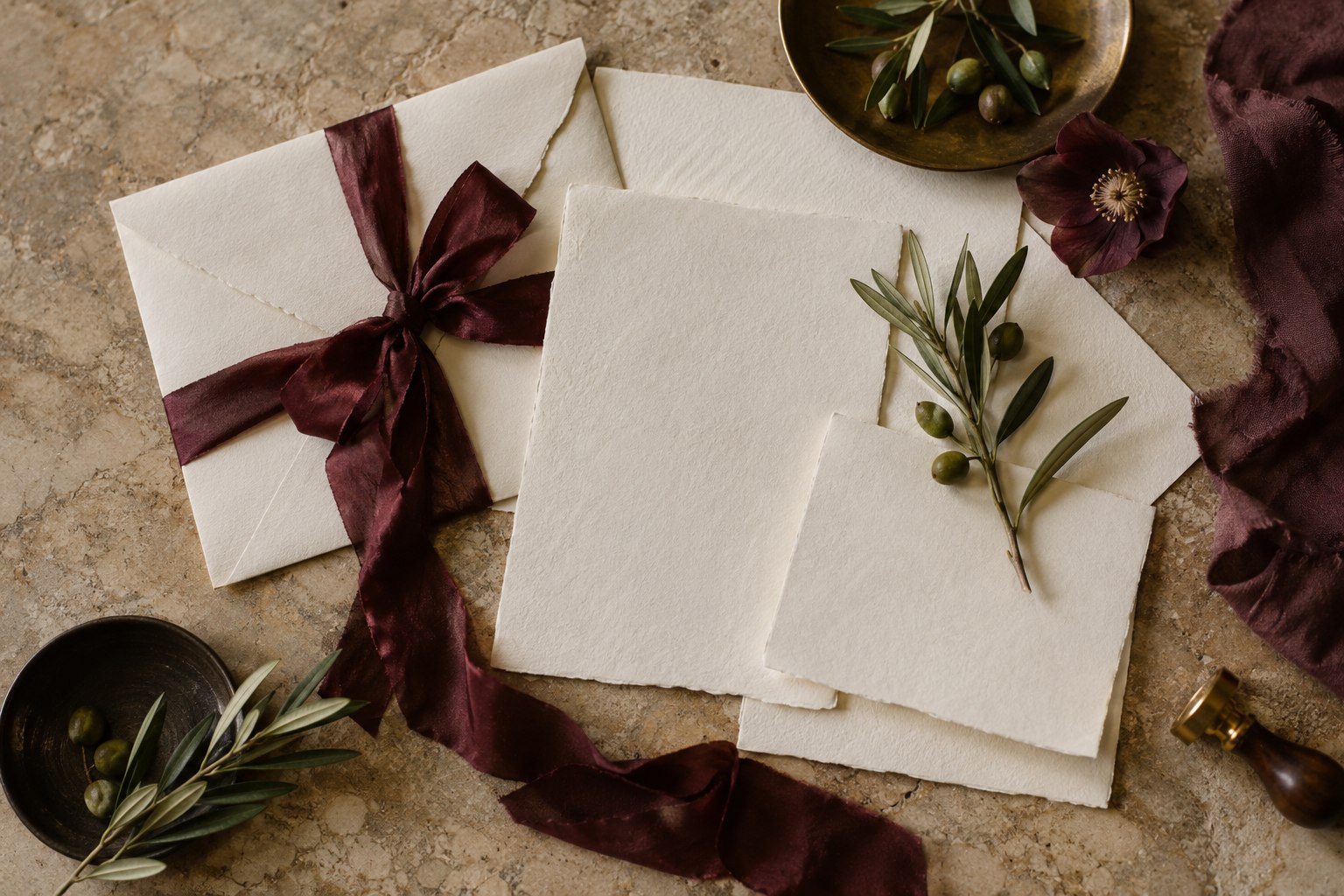
Your invitation is the first piece of practical hospitality. It tells guests that you want them there and gives them the information to participate. The essential details are straightforward: who is getting married, what they are invited to, the date and time, the venue and the response method. Keep these visible even if the design is expressive. Guests should not have to search through decorative wording to find the ceremony time.
Choose a tone you would recognize in your own conversation. A formal family invitation and a relaxed note from the couple can both be gracious. If you want ideas for the opening, these wedding invitation greetings and message examples offer a starting point. Adapt the sentiment to your relationship, then check that the final wording still communicates the facts clearly.
Use a details card or wedding website for longer arrival notes, dress guidance and accommodation information. Keep dates and names consistent across every version. Before printing, ask someone outside the planning process to read the invitation at actual size. Our invitation wording guide includes original examples, hosting-line options and a proofing approach that helps catch the small mistakes most likely to confuse guests.
Choose a venue by imagining the whole day
A venue visit should cover more than the ceremony backdrop. Walk from the guest entrance to the ceremony, dining area and bathrooms. Look at where suppliers will work and where guests can sit between activities. Ask which rooms are exclusive to your event and which may be shared. If the celebration is outdoors, see the indoor alternative before making a commitment rather than accepting it as an abstract backup.
Bring questions that reveal how the venue operates. When can suppliers arrive? Who sets out furniture? What happens if the weather changes? Are there sound or candle restrictions? Which items must leave that night? Ask for the answers relevant to your event in writing. Details that seem minor during a viewing can shape the schedule, rentals and amount of help you need on the day.
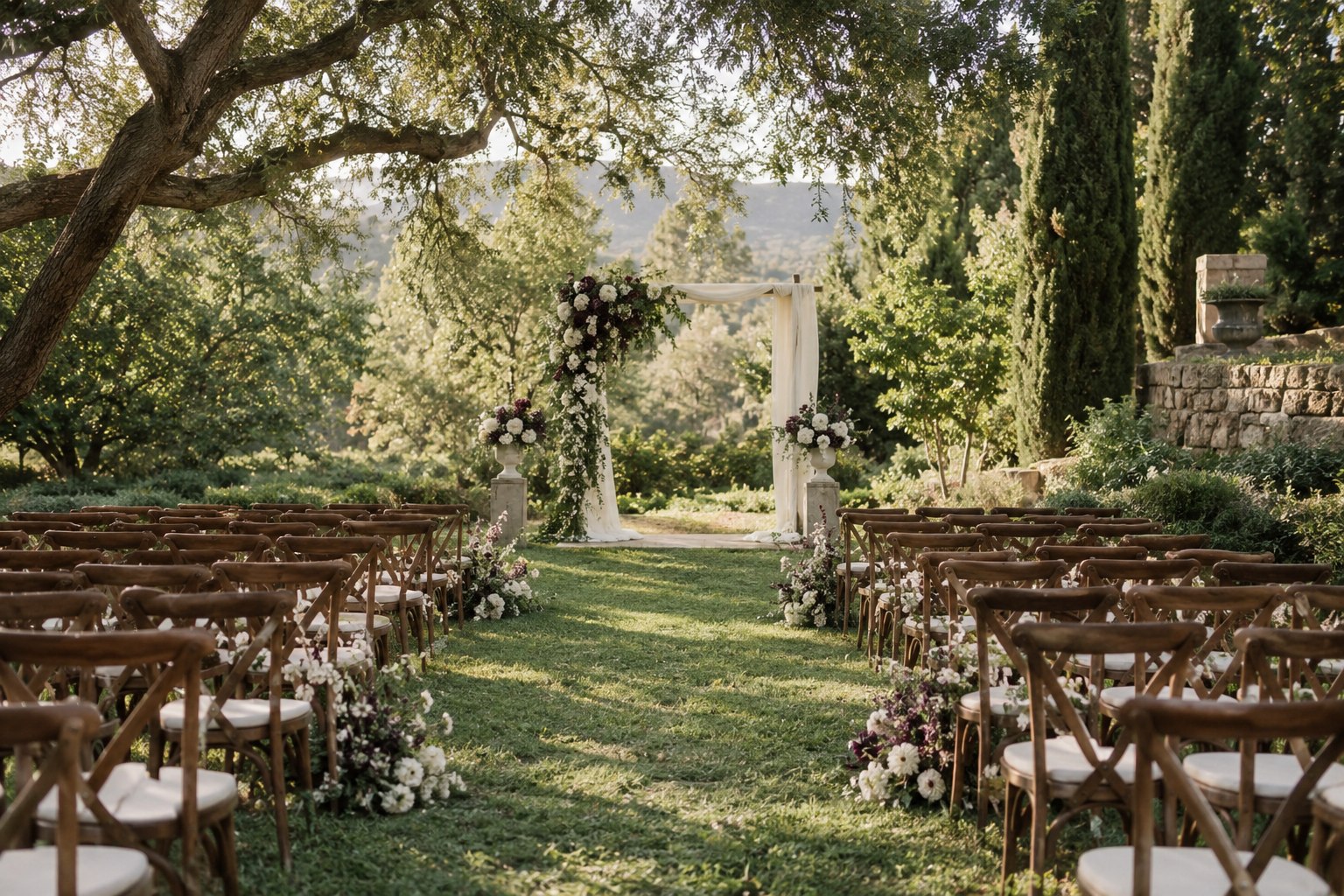
For an intimate celebration, comfort should guide the scale. A smaller guest list can allow a shared meal and more personal conversations, but it does not remove the need for clear routes, suitable facilities and a workable service plan. Our small garden wedding guide explores how to make an outdoor setting feel welcoming without letting decoration distract from the basics.
Make the journey part of the welcome
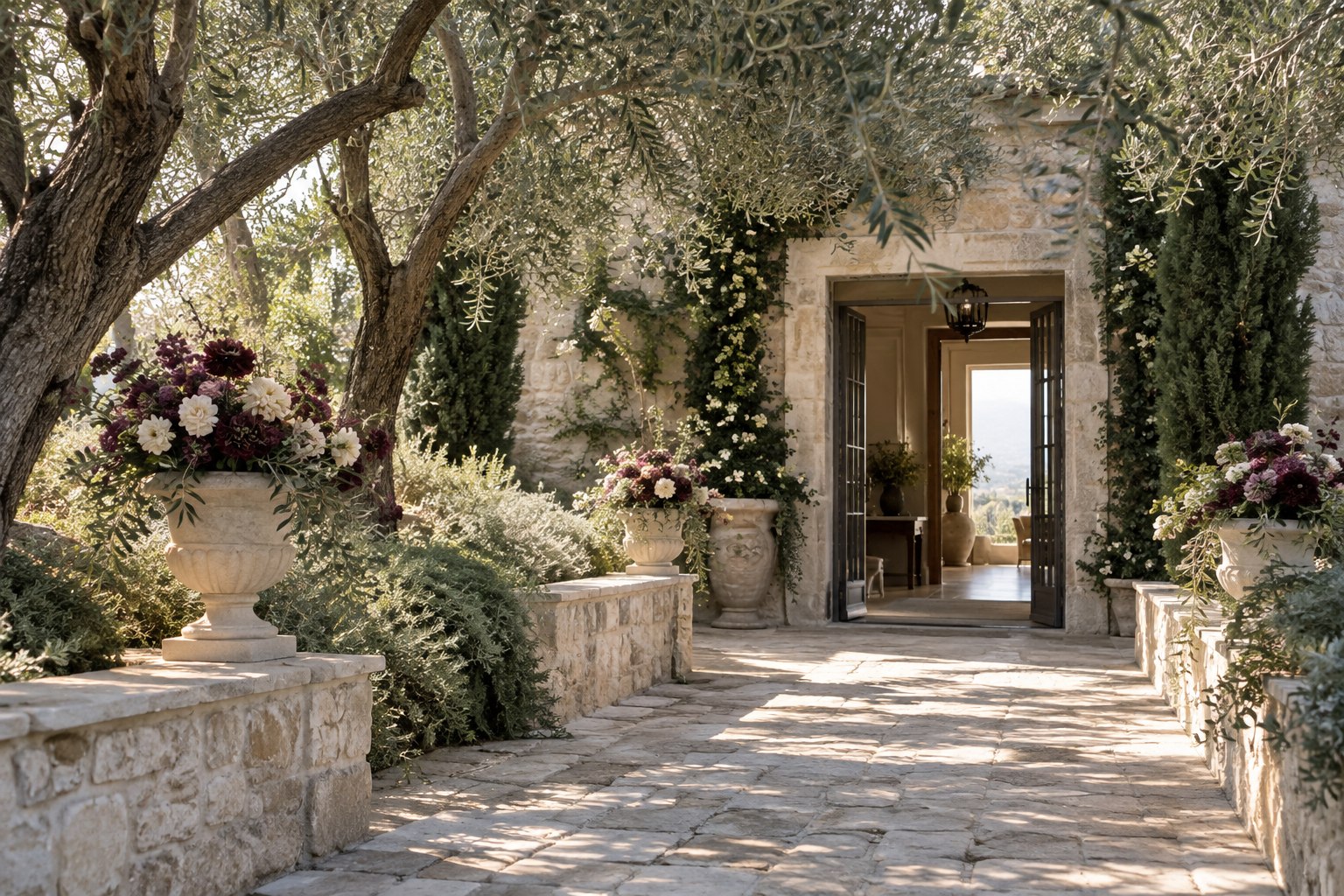
Guests who arrive calm have a better chance of enjoying the ceremony from its first moment. Confirm the correct entrance, where cars can stop and which parking arrangements apply to your event. A venue address may lead to the wrong gate on a large property. Test the instructions and provide the final approach in words if the map pin is imperfect.
For guests researching travel around the celebration, parking and destination arrival guides from VenueGuideHQ can help them identify questions to ask about airports, attractions and other stops. Your wedding venue should remain the source for its own current entrance, parking and drop-off arrangements. Avoid promising free parking, overnight access or a shuttle unless those details have been confirmed for your date.
Keep the guest arrival note short enough to read on a phone. Include the ceremony time, welcome window, entrance and agreed transport details. If somebody needs a closer drop-off, arrange it privately rather than hoping a driver can improvise. Our wedding arrival and parking guide provides a simple note structure and the checks behind each line.
Give the ceremony words that belong to you
The ceremony is not an obstacle between preparation and the party. It is the reason everyone has gathered. Decide what you want to say, what traditions matter and how guests will understand their role. Your officiant can explain the required elements and where personal vows or readings fit. Ask about the structure early so your creative ideas grow inside a workable plan.
For personal vows, begin with a true observation rather than a grand statement. What does your partner do that makes life feel different? Which ordinary moment shows the relationship clearly? Move from that detail into a few honest promises. You do not need to promise constant happiness or an effortless future. You can promise attention, honesty and a willingness to keep learning one another.
If you are looking for language for a card, reading introduction or a wish for the couple, Message Blessings is an additional place to explore message ideas. Keep borrowed inspiration distinct from your own promises, and credit any quotation you use. Our personal wedding vows guide offers an original example and a clear structure for turning your own memories into words you can say aloud.
Create tables that make dinner feel generous
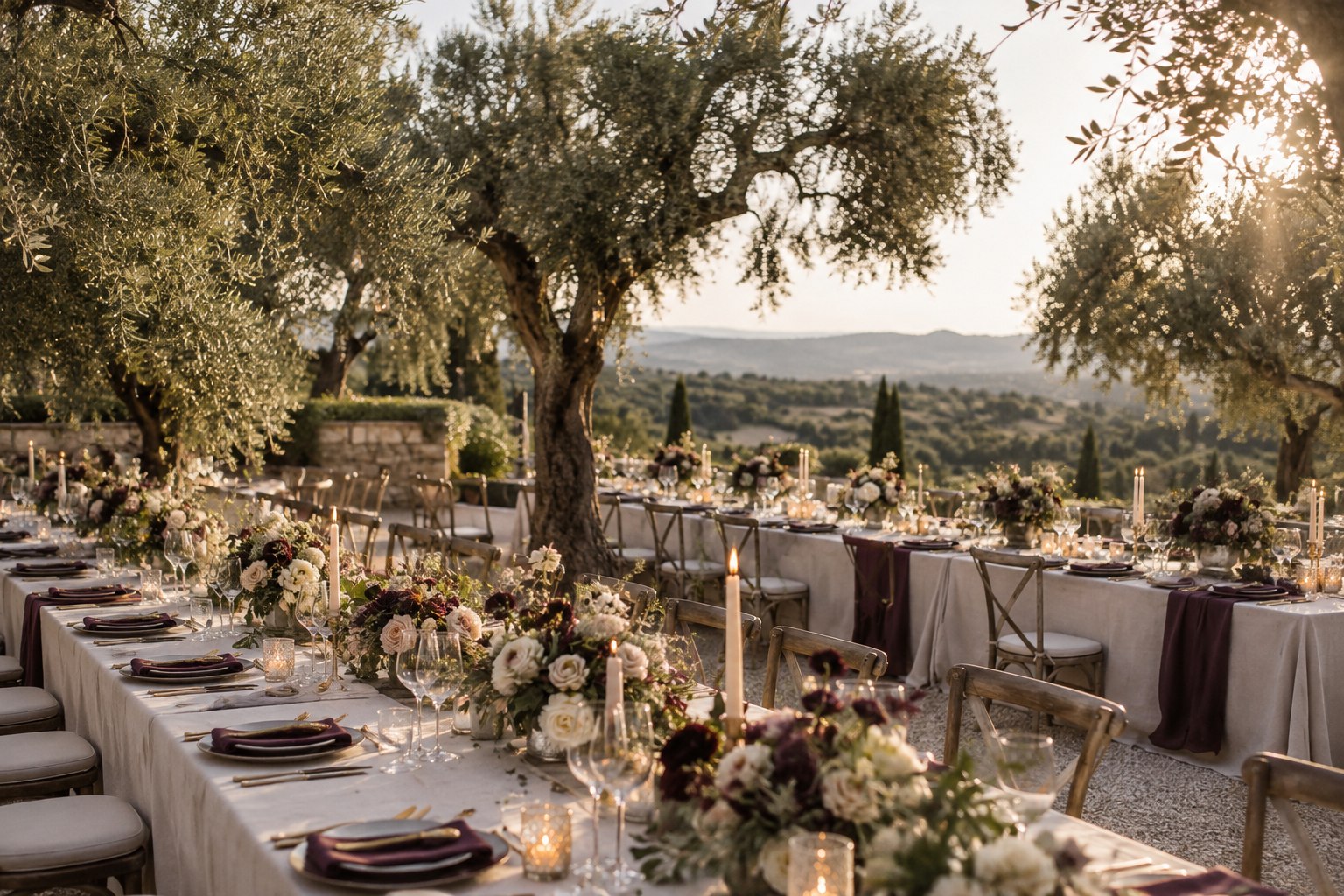
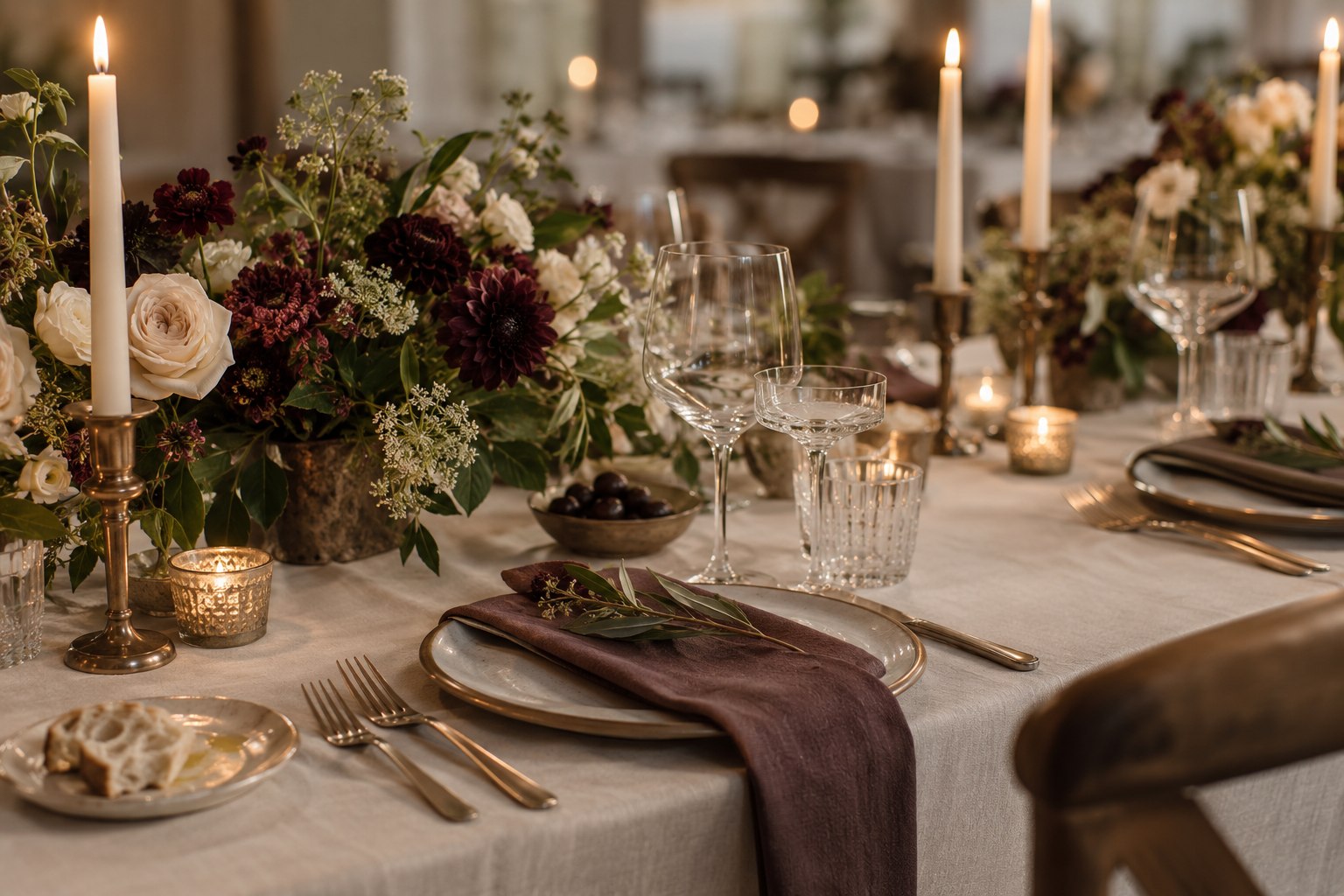
Before adding flowers, set out the plates, glasses and cutlery your meal requires. Sit at the table and notice how much room remains. Shared platters, water and bread all need a place. A table that looks full in an empty room may feel crowded once guests sit down. Begin with the service plan and use decoration to support it.
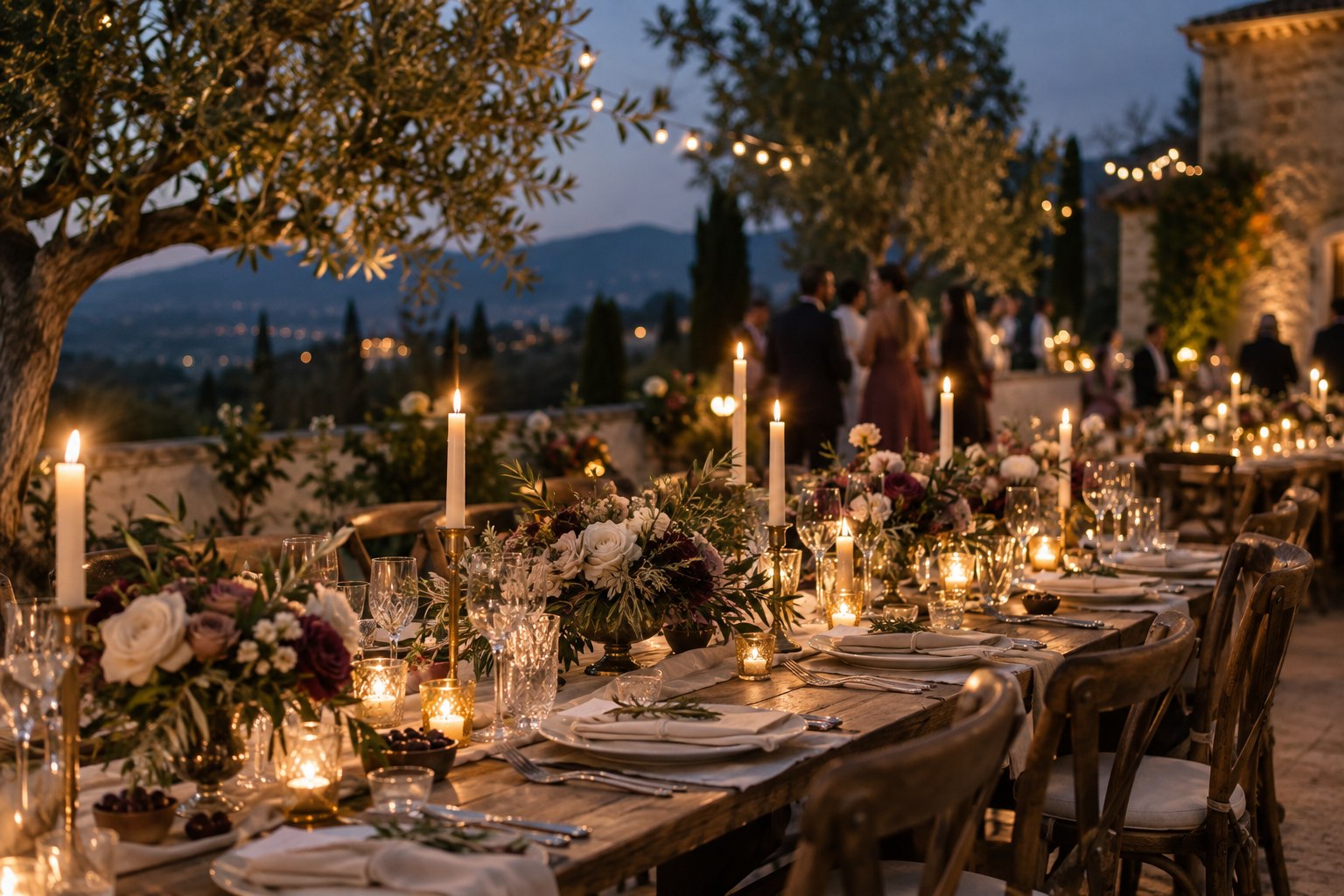
Keep sightlines open so conversation does not require leaning around a centerpiece. Choose readable table numbers and place cards, especially for an evening reception. Discuss candle rules with the venue before buying holders. If open flames are unsuitable, test good battery candles under the actual lighting. Consistency and restraint can create a stronger atmosphere than a large number of competing details.
A few repeated choices give a table its identity: a particular napkin color, a low floral shape or a small handwritten note. You do not need to customize every object. Our wedding table design guide explains how to build a sample setting, use the room’s existing colors and write setup notes that another person can follow.
Build a timeline with room for real people
A wedding schedule should account for movement, conversation and the occasional delay. Start with fixed times, then ask suppliers how long their work needs. Include preparation, setup, travel, guest seating and packing. The visible ceremony or meal is only part of the work happening around it. A timetable becomes fragile when it includes every major activity but none of the movement between them.
Protect a few quiet minutes together. You might use them before the ceremony, after the vows or during a short evening walk. Keep group photographs focused and tell the people involved where to be. Coordinate speeches with the caterer rather than adding them whenever the room appears ready. Small decisions like these help the day feel spacious without requiring a longer reception.
Give a trusted day-of contact the final schedule and supplier details. Guests need a simpler version with the times that affect them. Our wedding day timeline guide includes an illustrative afternoon schedule and a method for adapting it. Treat examples as planning tools, then confirm the actual timing with the people delivering your celebration.
Plan outdoor moments with a usable alternative
An outdoor ceremony can be beautiful, but a weather plan should be more specific than “we have umbrellas.” Confirm the alternative space, who decides to use it and how much time the change requires. Ask the venue how it communicates weather decisions to suppliers and arriving guests. The alternative should feel like a considered version of the celebration, even if the layout is different.
Severe weather needs a separate safety plan. The National Weather Service’s lightning guidance for outdoor activities explains that tents and open shelters are not safe thunderstorm shelter. Discuss the venue’s procedure and suitable shelter directly. Do not let an aesthetic preference decide whether a ceremony continues when conditions require a change.
Let the reception have its own natural rhythm
A reception does not need constant announcements to feel celebratory. A good meal, comfortable conversation and music that changes with the evening can provide enough movement. Think about what your guests enjoy and what you want to share with them. If dancing matters, give it a clear beginning. If a long dinner is the heart of the occasion, protect that time.
Keep speeches personal and coordinated, and leave space for unscheduled conversations. A quiet seating area can let people stay involved when they want a break from the music. Our intimate wedding reception guide brings together food, seating, toasts and departure so the evening feels complete without becoming overprogrammed.
Questions couples often ask
Where should we start if everything feels urgent?
Start with guest count, spending boundaries and the type of celebration you want. These decisions shape venue and supplier choices. Put decorative ideas in a separate list until the main structure is settled. Choosing fewer things at a time makes it easier to see which questions genuinely need an answer now.
Can a simple wedding still feel personal?
Yes. Personal meaning comes from choices connected to your relationship: the words you use, the people you include, the meal you share and the traditions you keep. A smaller number of thoughtful details gives guests more room to notice them. Complexity is not a requirement for warmth.
How do we avoid conflicting guest information?
Keep one approved set of facts and copy from it when creating invitations, website notes and reminders. Assign someone to update every version when a time or location changes. Send important changes directly to guests. Do not assume everyone will return to the website before leaving home.
Are the photographs examples of real weddings?
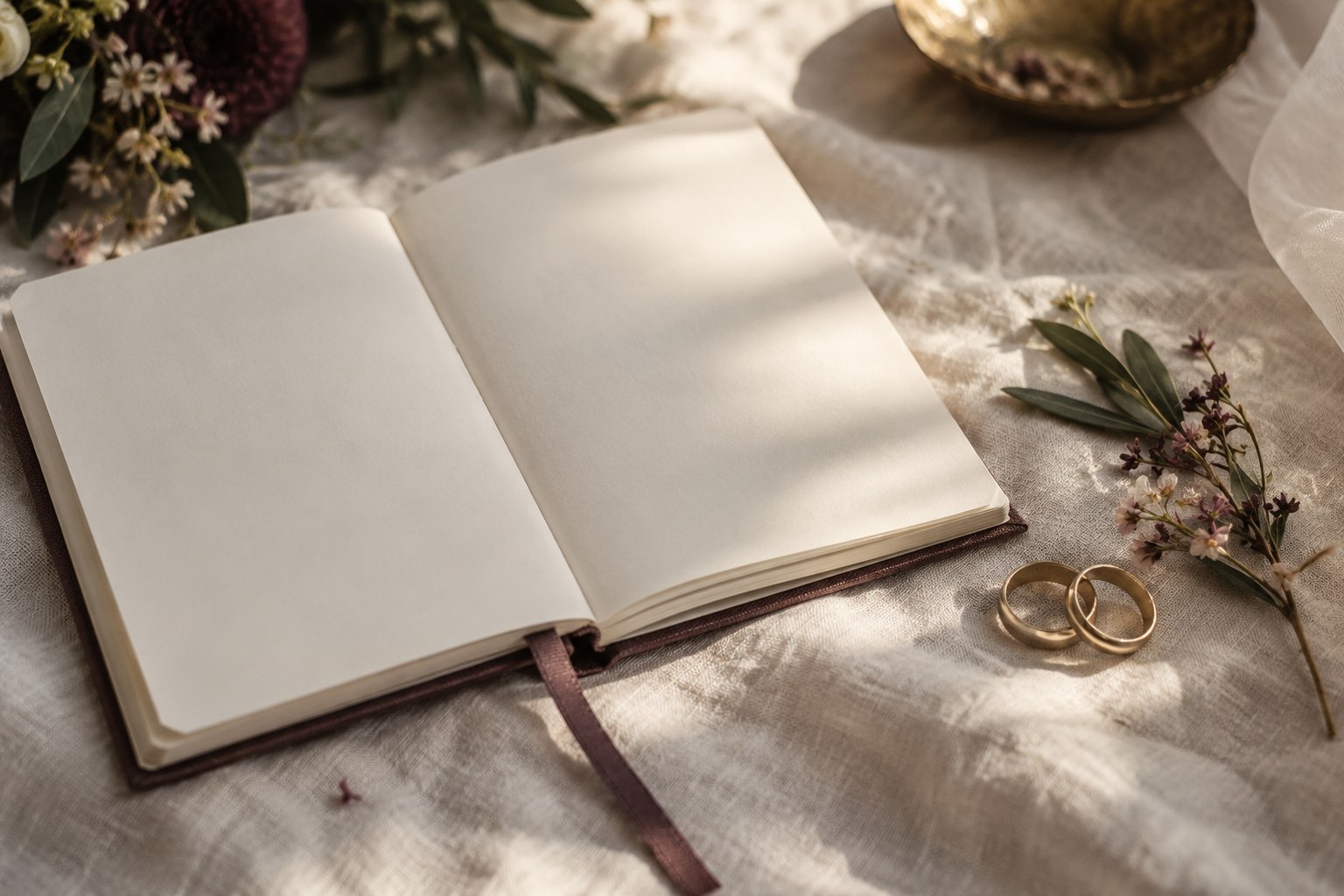
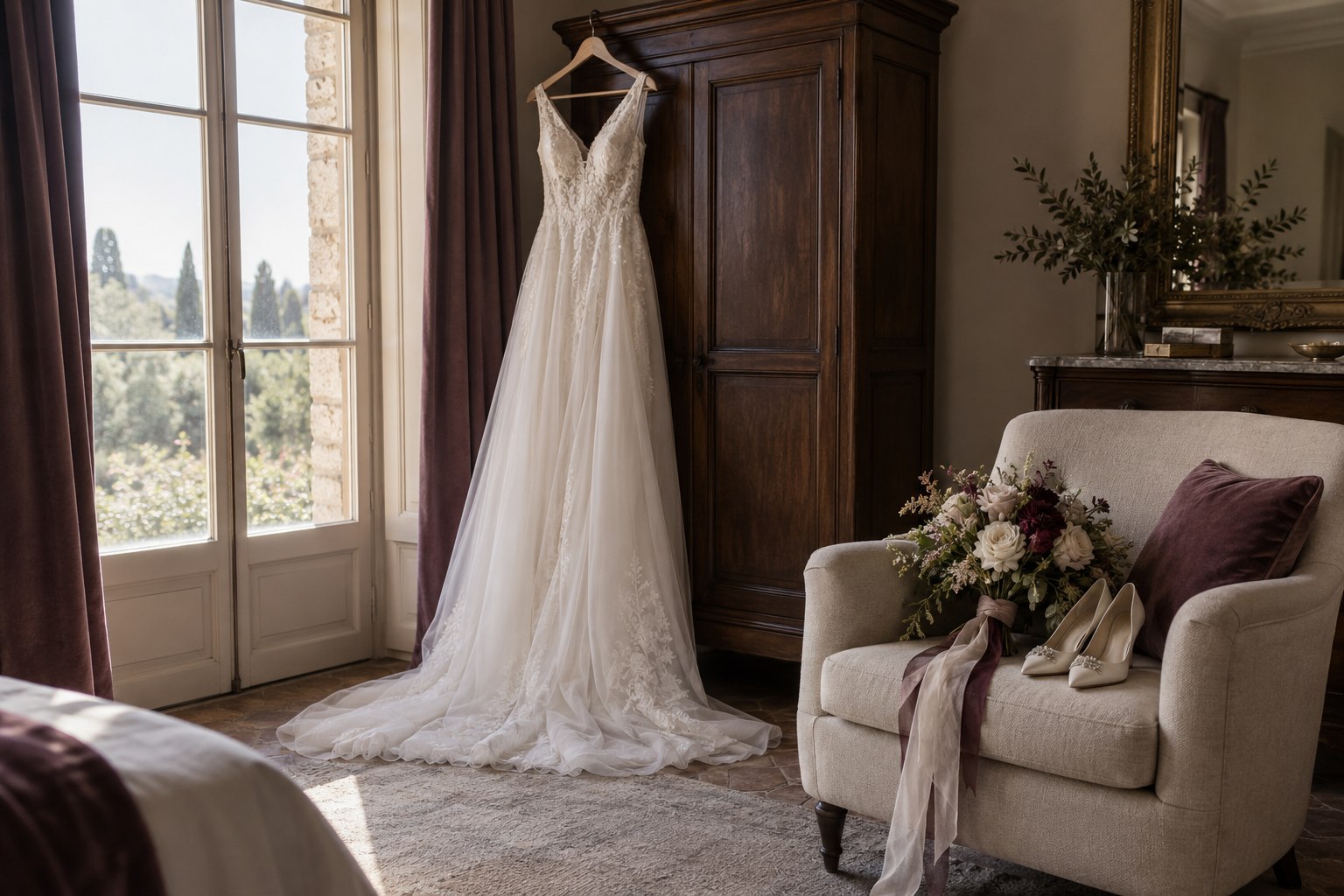
No. The images in this journal are AI-generated editorial illustrations, created to communicate design ideas. They do not document our clients, a named venue or work delivered by a supplier. Use them for atmosphere, then confirm real products, layouts and services with the people you hire.
Your next thoughtful step
Choose the guide that matches the decision in front of you. If invitations are next, settle the facts before the wording. If you are visiting venues, take questions about the full guest route. If the wedding is close, focus on the timeline and handover. One useful decision can make the next one easier. The aim is a wedding you can participate in, with people who feel welcomed from the first message to the final goodbye.
A short planning conversation for this week
Set aside half an hour together and choose one open question. Start by naming what is already decided, then identify what information would make the remaining choice easier. If you are comparing venues, that might be a written answer about the wet-weather room. If you are choosing invitations, it might be confirmation of the guest arrival window. Ask for the missing fact before debating the design around it.
Finish the conversation with one next action and a person responsible for it. Keep a shared note of decisions so neither partner becomes the only source of information. When a relative or supplier asks a question, you can consult the same record. This simple habit reduces repeated conversations and makes it easier to see progress even when the wedding still feels far away.
Leave room in your week for things unrelated to the celebration. A wedding is a meaningful project, but the relationship is not a project plan. You can care deeply about the day and still decide that an optional detail does not deserve another evening. Choose a stopping point for each task, celebrate the decisions you have made and return when you have something useful to resolve.
Our journal is organized around those manageable decisions. Read one guide, use what fits your circumstances and confirm the practical details with your own venue and suppliers. You do not need to adopt every idea to make the next step worthwhile.