An intimate wedding reception works best when guests feel they have been invited into a shared evening rather than placed inside a production. There can still be beautiful flowers, music and a carefully planned menu. The difference is that each choice supports people spending time together. A room that encourages conversation often feels more generous than one filled with activities nobody has time to enjoy.
Begin by deciding what you want the evening to feel like. A long dinner, a lively dance floor and a relaxed afternoon gathering are different experiences. You can combine elements, but trying to give every idea equal space may leave the reception feeling hurried. Choose one main rhythm and let the other details support it.
Describe the evening before choosing the details
Write three sentences together: what you want guests to feel, what you want to spend time doing and what you would happily leave out. Be specific. “We want dinner to feel like a gathering of friends, we want to talk to everyone, and we do not need a formal entrance” gives you a useful planning direction. “We want everything to be perfect” does not help you choose between competing ideas.
Share that description with the venue and caterer. They can tell you whether the proposed service and room layout suit it. If a supplier suggests an extra activity, ask how it helps the evening you described. This is not about rejecting tradition; it is about using traditions that mean something to you instead of adding them because a checklist included them.
Choose a room that feels right at your guest count
A smaller wedding does not always need a smaller venue, but it needs an intentional use of space. Ask to see a floor plan for your actual numbers. A room arranged for a much larger group can make a dinner feel scattered. Consider whether the venue can create a more intimate dining area without blocking exits, service routes or access to bathrooms.
Visit when the room is furnished if possible. Listen to how sound behaves and notice how far guests would sit from one another. A high ceiling and hard surfaces may amplify conversation and music. Ask about sound management before committing to an ambitious entertainment setup. Comfortable volume lets people participate in the evening rather than choose between shouting and leaving the room.
Make the meal part of the hospitality
Select a service style with the caterer’s guidance. Plated courses can create a clear rhythm; shared dishes may encourage conversation; a buffet gives guests choice but needs enough circulation space. None is automatically more personal. The useful question is how the format fits the room, your guest count and the pace you want. Include dietary needs in that discussion from the beginning.
A focused menu can feel generous when the food is well timed and easy to enjoy. Ask what can be prepared reliably in the available kitchen. Confirm how children’s meals or special requirements will be handled. Avoid using a complicated menu as a substitute for enough food and attentive service. Guests are more likely to remember feeling looked after than the number of components on a plate.
Give conversation a comfortable setting
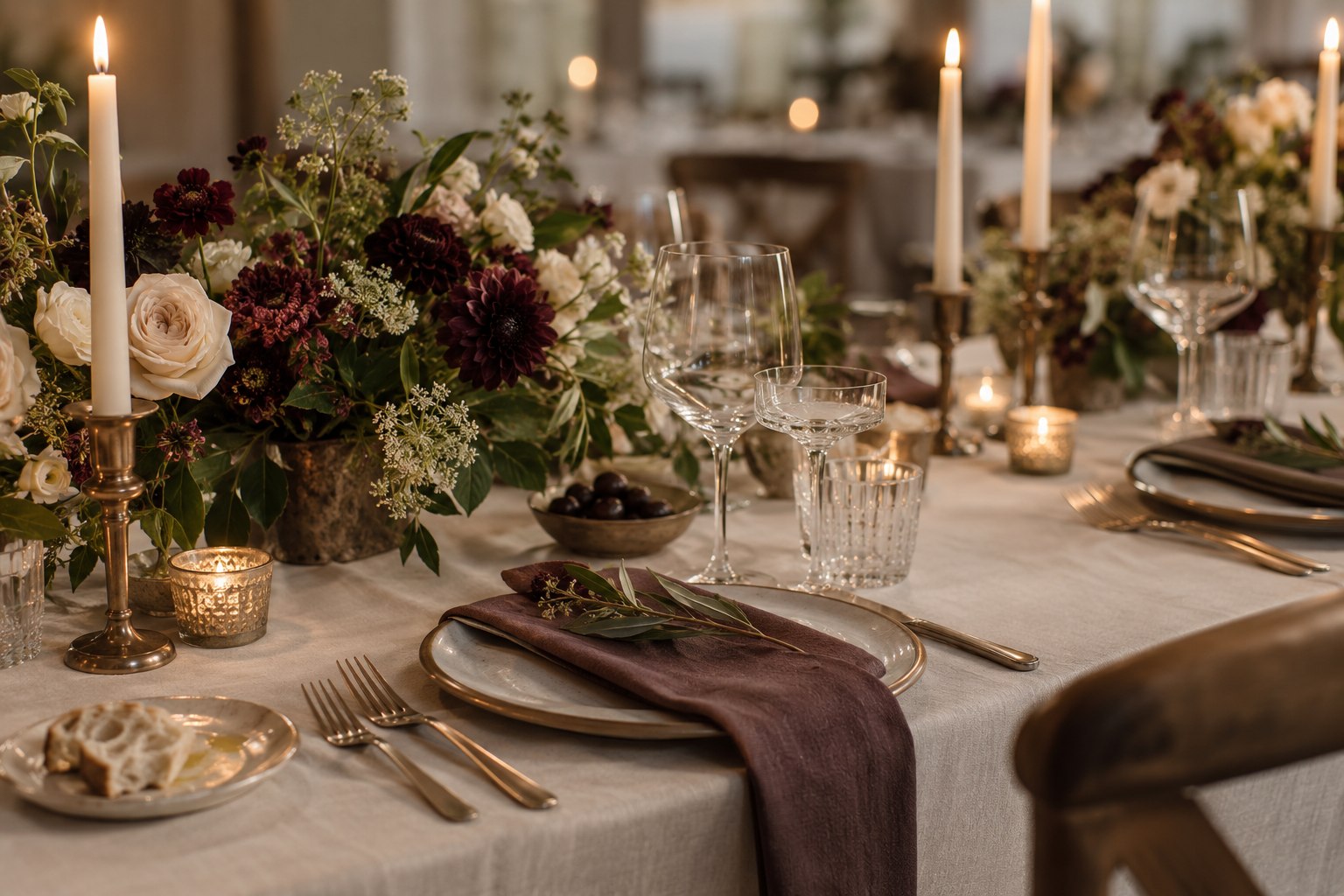
Arrange tables so people can see and hear one another. Keep centerpieces out of the main sightline and leave space for glasses, plates and shared food. If you want to mix friendship groups, give people at least one familiar connection where possible. Seat guests with language or hearing needs thoughtfully, and ask privately about any arrangement that would help them enjoy the meal.
A separate quiet seating area can be useful if the evening includes dancing. It lets guests stay part of the celebration without remaining beside a speaker. Check that the quieter space is comfortable and easy to reach, not simply an unused corridor. For practical place-setting decisions, our wedding table design guide connects flowers and paper details with the space people need.
Keep toasts personal and well placed
Choose speakers because they want to speak and have something meaningful to say, not because every family role requires a microphone. Give them a clear time window and a gentle reminder to keep private stories private. Short, specific memories often land better than a long biography of the couple. Ask one person to coordinate the order with catering and entertainment.
The Toastmasters guide to wedding toasts offers useful delivery advice for a nervous speaker. Practice aloud, focus on the couple and avoid humor that humiliates someone. Guests should feel invited into the story. If a reference only makes sense to three people, give enough context or choose another memory.
Let music change with the evening
Think about music as several settings rather than one continuous volume. Arrival, dinner and dancing may need different energy. Tell the musician or DJ which parts should support conversation and which can become more lively. If you are using playlists, assign someone to manage them and test the equipment. A personal phone connected at the last minute is a fragile plan.
A small reception does not need a full dance floor to feel successful. Some groups love dancing; others prefer conversation and a few favorite songs. Make room for your guests’ actual personalities. If dancing matters to you, choose a clear starting moment and join in yourselves. If it does not, a long meal followed by relaxed drinks can be a complete evening.
Add personal details with a job to do
A handwritten note can double as a place card. A family recipe can become part of dessert. A favorite song can mark the start of dinner. Details feel personal when they connect to your life and fit naturally into the event. You do not need a custom logo on every object for guests to recognize the celebration as yours.
If you want a small favor, choose something easy to carry or enjoy during the evening. Consider travel restrictions and the likelihood that guests will want another item in their luggage. You can also skip favors and put that attention into a thoughtful welcome. A clear arrival note, comfortable seating and a warm goodbye are meaningful forms of generosity that do not require additional packaging.
Prepare a graceful ending
Decide whether the reception ends with a final song, a brief thank-you or simply a clear last transport departure. Give guests enough notice to collect their things and say goodbye. Confirm lighting along the exit route and who helps with pickups. If some guests leave early, let them do so comfortably without feeling they have missed an obligatory final performance.
Before the day, assign collection of cards, gifts and personal items to specific people. Confirm the venue’s packing and cleanup arrangements. An intimate celebration can involve fewer objects, but those objects still need a destination. When practical responsibilities are covered, you can stay present through the last conversation instead of mentally counting candleholders.
Leave some moments unprogrammed
The best part of a small reception may be something you cannot schedule: two relatives finally meeting, a friend telling a story or everyone lingering over dessert. Build enough structure that the evening runs smoothly, then leave space for those moments. Resist the urge to fill every interval just because there is room on the timeline.
Your reception does not need to resemble a larger wedding in miniature. It can have its own proportions, traditions and pace. Choose the food, setting and music that make time together enjoyable. When those basics are right, the evening can feel complete without constant announcements. Return to our wedding planning framework if you want to connect these reception choices with the rest of the day.
Afterward, note the moments you enjoyed most before the details blur together. Those memories are a more meaningful record of the reception than whether every decorative object remained exactly where it began.